
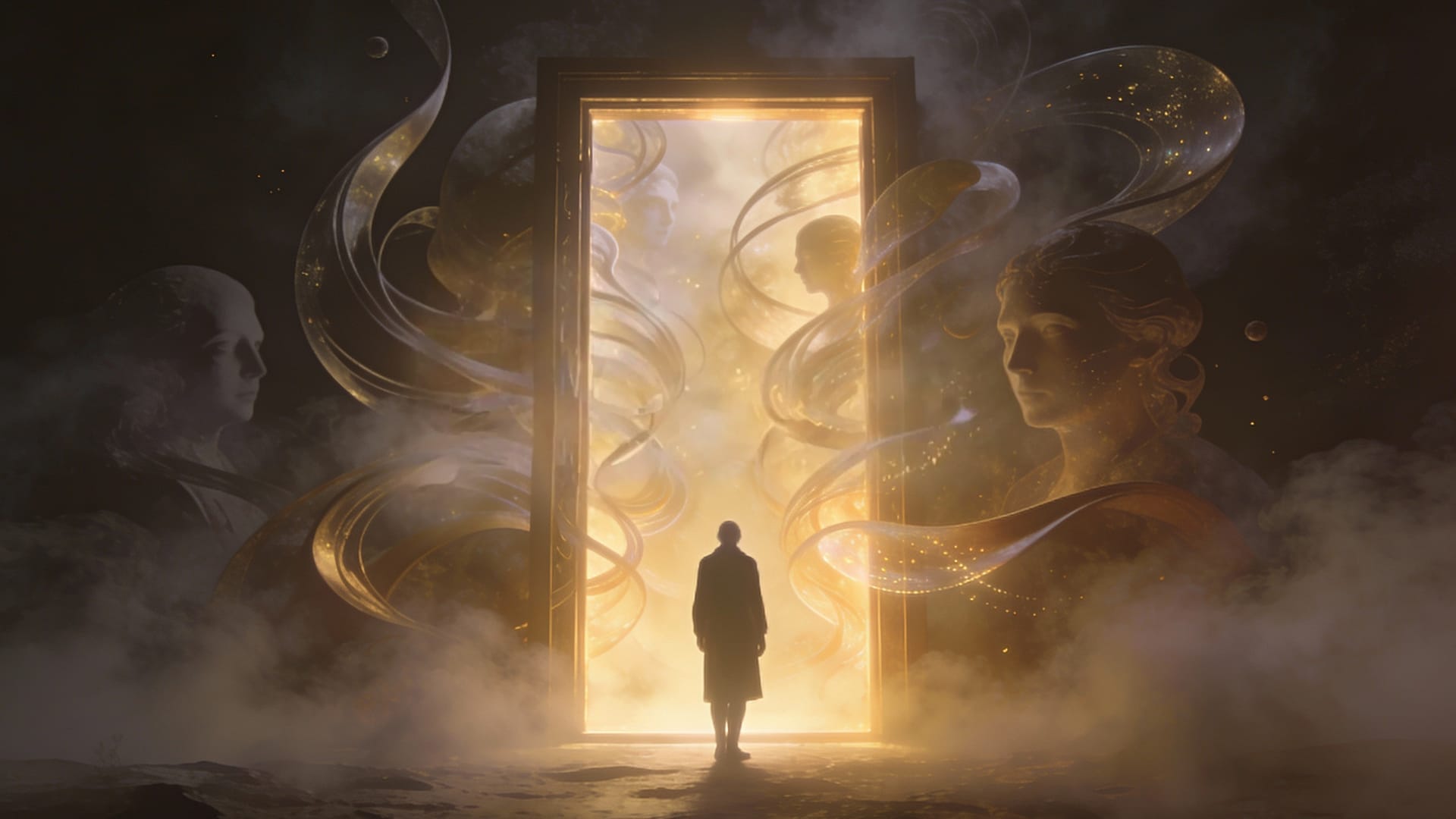
A threshold is not just a place you step over. It is a moment where something changes. When people stand at a threshold, they are about to leave what they know and enter something new. This can feel uncomfortable because humans like familiarity. The mind prefers what feels safe and predictable. Even small thresholds, like entering a dark room or starting a new task, can create tension because the brain does not know what will happen next.
Fear of the Unknown Is Natural
Fear of what lies beyond a threshold is a natural human reaction. Long ago, this fear helped people survive. Walking into unknown places could mean danger, hunger, or injury. Because of this, the brain learned to pause and feel fear before moving forward. Even today, when most thresholds are not dangerous, the brain still reacts the same way. Fear appears not because something bad will happen, but because the outcome is unclear.
Why Change Feels Scary
Crossing a threshold often means change, and change is not easy. It can mean becoming someone different or letting go of the past. The fear is not always about the new situation but about losing what feels familiar. People worry about making mistakes or choosing the wrong path. This fear can make even positive changes feel heavy and stressful. The mind asks questions like, “What if this goes wrong?” or “What if I regret this?”
Why People Choose to Stay Where They Are
Many people stay in situations they do not like because they know what to expect. Even discomfort can feel safer than uncertainty. Standing still feels easier than stepping forward because the unknown feels uncontrollable. The brain often imagines the worst possible outcomes when it does not have clear information. This is why people delay decisions or avoid change, even when they know moving forward could help them grow.
The Fear of Not Being Able to Go Back
Another reason thresholds feel frightening is that they can feel permanent. Once a threshold is crossed, going back may not be possible. This creates pressure. People fear regret and worry about making the wrong choice. The idea of “no turning back” can make the moment feel overwhelming. This fear can cause people to freeze, waiting for the perfect moment that never comes.
Curiosity vs Fear
Even though fear is strong, humans are also curious. Curiosity pushes people to explore, learn, and grow. When someone stands at a threshold, fear and curiosity often fight each other. Fear says, “Stay safe,” while curiosity says, “What if something amazing is waiting?” Progress happens when curiosity becomes stronger than fear. Every major step in life begins when someone chooses to move forward despite uncertainty.
Why Crossing Thresholds Helps Us Grow
Crossing thresholds is uncomfortable, but it is also how people grow. Growth does not happen in comfort zones. When people face the unknown, they learn more about themselves. They become stronger, wiser, and more confident. Fear does not disappear, but it becomes easier to manage. Each time someone crosses a threshold, the brain learns that uncertainty can be survived.
Why This Fear Still Exists Today
Today, thresholds are often emotional rather than physical. Starting a new job, ending a relationship, speaking the truth, or changing direction in life all involve crossing unseen boundaries. Even without physical danger, the mind reacts strongly. This shows that fear of the unknown is still part of being human. Feeling afraid does not mean someone is weak. It means they are standing at the edge of change.
Conclusion
The fear of crossing thresholds comes from deep human instincts tied to uncertainty and change. These ideas are explored through story in The Basalt Door: Utah to Eden by Donald Paul Brown Jr., a book centered on transformation and facing the unknown. For readers who enjoy meaningful journeys and powerful moments of change, this story offers an experience worth discovering.