
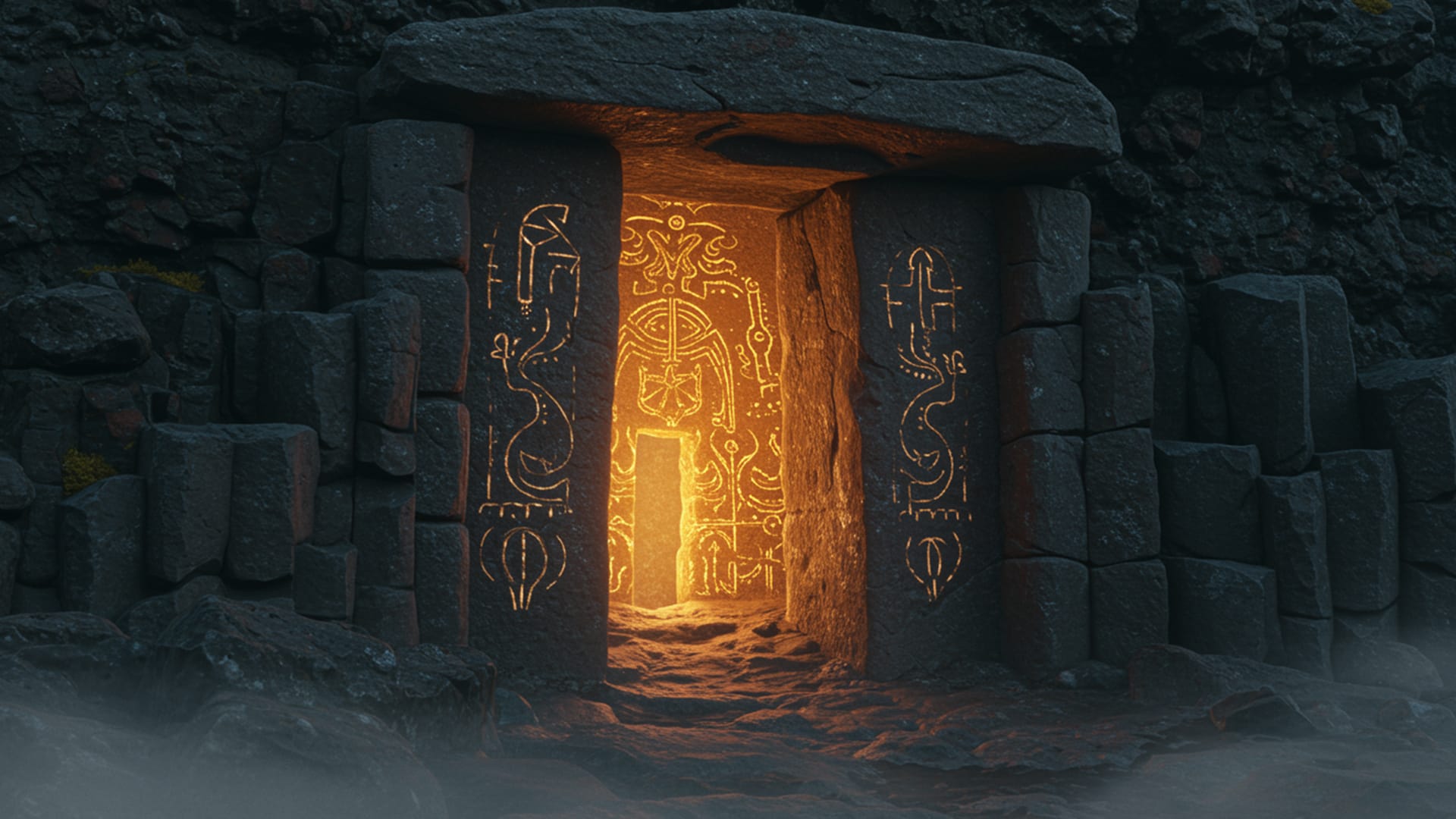
Since the beginning of human history, stone has always been more than just a building material. Early people saw stone as strong, lasting, and unbreakable. Unlike wood, which can rot, or metal, which can rust, stone stays the same for a very long time. Because of this, ancient cultures used stone for important places like temples, tombs, and sacred spaces. Stone became a symbol of power, stability, and mystery, often marking places that were meant to be respected or feared.
What Makes Basalt Different From Other Stones
Basalt is a special type of stone because it comes from fire. It is created when lava cools and hardens after a volcanic eruption. This gave basalt a strong meaning in ancient times. People believed it carried the energy of the earth itself. Its dark color made it feel serious, heavy, and secretive. Basalt was not seen as decorative but protective, something used to guard important places. Because it came from deep inside the earth, it was often linked to hidden worlds and unknown forces.
Doors as Signs of Change and New Beginnings
A door has always meant more than just an entrance. In many cultures, a door represents change. When someone passes through a door, they leave one place and enter another. This could mean moving from safety into danger, from the known into the unknown, or from one stage of life into another. Ancient rituals often focused on doorways because they were seen as powerful moments of decision. Standing in front of a door meant something important was about to happen.
When Basalt and Doors Come Together
When the idea of a door is combined with basalt, the meaning becomes even stronger. A basalt door feels permanent and serious, not something meant to be opened easily. It suggests that whatever lies behind it is hidden for a reason. Unlike a wooden door that can be forced open, a basalt door feels final and intentional. It gives the feeling that crossing it could change everything and that turning back may not be possible.
Ancient Stories of Hidden Stone Gateways
Many old stories and legends talk about stone gates that protect secrets. These gates often lead to sacred places, lost knowledge, or dangerous worlds. Ancient builders used heavy stone to make people feel small and cautious. Basalt and other dark stones were used to create fear and respect at the same time. When people stood before these gateways, they understood they were entering a space that was not ordinary and not meant for everyone.
Why Dark Stone Doors Feel Powerful to Us
Even today, dark stone entrances still affect how we feel. Our minds naturally connect dark colors with depth, secrecy, and danger. A heavy stone door makes us think of something hidden and important behind it. This creates curiosity and tension at the same time. Humans are naturally drawn to mysteries, especially when they feel forbidden. The idea of a basalt door touches something deep inside us, the fear and excitement of stepping into the unknown.
Why This Symbol Still Matters Today
The symbol of a basalt door continues to appear in modern stories because it speaks to human nature. People have always searched for answers beyond what they can see. A dark stone door represents that moment when curiosity becomes stronger than fear. It is the point where a choice must be made: to stay safe or to step forward and face whatever comes next. This symbol survives because humans have never stopped asking what lies beyond the door.
Conclusion
The idea of a basalt door represents mystery, danger, and transformation, themes that continue to fascinate readers today. These ideas come to life in The Basalt Door: Utah to Eden by Donald Paul Brown Jr., a story built around ancient symbolism and hidden gateways. For readers who enjoy stories about secrets buried in stone and journeys beyond the known world, this book offers a powerful experience worth exploring.